Lend Me A Tenor: Script Availability and Resources
Finding a “Lend Me A Tenor” script PDF often begins with Samuel French/Concord Theatricals, the official source. However, various unofficial online repositories exist,
but their reliability varies greatly, alongside potential copyright concerns.
Otterbein University’s Theatre and Dance Department offers downloadable resources, while sites like archive.org may contain editions, though verifying legality is crucial.
Always prioritize official channels to respect copyright and ensure access to the most accurate and complete version of Ken Ludwig’s celebrated comedy.
Overview of the Play
Lend Me A Tenor, a hilarious comedy penned by Ken Ludwig, plunges audiences into the chaotic world of Italian opera and theatrical mishaps. The play centers around the Cleveland Grand Opera Company’s desperate attempt to find a replacement for their ailing star tenor, Tito Morelli, ahead of a crucial performance of Otello.
Max Bialystock, a flamboyant and perpetually stressed opera manager, and Saul Miller, his exasperated assistant, find themselves in a whirlwind of mistaken identities, romantic entanglements, and escalating pandemonium when they believe a plumber, mistaken for the legendary Morelli, is the answer to their prayers.
Maggie, Max’s passionate and ambitious daughter, adds another layer of complexity with her own romantic pursuits. The script is brimming with farcical situations, witty dialogue, and a delightful blend of slapstick and sophisticated humor, making it a beloved choice for both amateur and professional theatre groups. The play’s enduring appeal lies in its ability to poke fun at the world of opera while delivering a genuinely heartwarming and entertaining story.
Historical Context of the Play’s Setting (1930s)
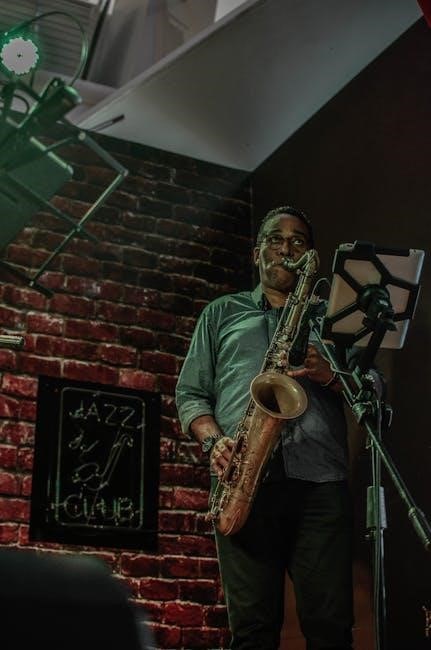
Lend Me A Tenor is vividly set in 1930s Cleveland, Ohio, a period marked by the tail end of the Roaring Twenties and the burgeoning hardships of the Great Depression. This era witnessed a fervent public appetite for escapism, with opera and theatre offering a temporary respite from economic anxieties.
The 1930s also saw the height of the “Golden Age of Radio,” influencing popular culture and creating a celebrity-driven society – a dynamic reflected in the play’s fascination with operatic stars like Tito Morelli. Italian opera, specifically works like Otello, held immense prestige and attracted large, enthusiastic audiences.
Furthermore, the societal norms of the time, particularly regarding gender roles and romantic expectations, are subtly satirized within the script. The play cleverly utilizes this historical backdrop to amplify its comedic effect, contrasting the grandeur of opera with the everyday struggles and eccentricities of 1930s American life.
Ken Ludwig’s Writing Style and Comedic Elements
Ken Ludwig is renowned for his fast-paced, farcical comedies, and Lend Me A Tenor exemplifies his signature style. The script is characterized by intricate plot twists, mistaken identities, and a relentless escalation of chaotic events, creating a whirlwind of comedic energy.
Ludwig’s writing heavily relies on physical comedy, witty dialogue, and exaggerated characters. He masterfully blends slapstick humor with sophisticated wordplay, appealing to a broad audience. The script’s humor often stems from the clash between high culture (opera) and low culture (the frantic world surrounding the tenor).
A key element is the use of dramatic irony, where the audience is privy to information the characters are not, heightening the comedic tension. Ludwig’s ability to build suspense and then release it with a perfectly timed punchline is central to the play’s enduring appeal.

Finding a “Lend Me A Tenor” Script PDF
Locating a PDF requires checking Samuel French, Concord Theatricals, and archive.org, but be mindful of copyright restrictions and reliability.
Official Script Sources (Samuel French/Concord Theatricals)
Samuel French, now operating under Concord Theatricals, stands as the primary and legally sound source for obtaining a “Lend Me A Tenor” script. They offer various licensing options, catering to professional theaters, educational institutions, and community groups.
Purchasing directly from Concord Theatricals guarantees an authentic, up-to-date script, avoiding the potential pitfalls of unofficial sources. Their website provides detailed information regarding perusal scripts, performance rights, and royalty fees.
Digital script PDFs are often available for immediate download upon licensing approval, streamlining the production process. Concord Theatricals also provides support and resources for directors, actors, and designers, ensuring a smooth and legally compliant production.
Exploring their catalog reveals different editions, potentially including student editions or versions tailored for specific performance needs. Always prioritize official channels to support the playwright and ensure adherence to copyright law.
Unofficial Online Script Repositories & Their Reliability
Numerous websites host script PDFs, including archive.org and various online forums dedicated to theatrical resources. However, the reliability of these sources is highly questionable. Scripts found on unofficial repositories may be incomplete, inaccurate, or even unauthorized copies.
The quality can vary drastically, ranging from poorly formatted scans to versions containing significant errors introduced during transcription. Furthermore, downloading and using scripts from these sources carries substantial legal risks, potentially infringing on copyright laws.
While tempting due to their accessibility, these repositories often lack the guarantees of authenticity and accuracy offered by official licensing agencies like Concord Theatricals. Proceed with extreme caution, understanding that using such scripts could lead to legal repercussions and compromise the integrity of your production.
Always prioritize legally obtained scripts to support playwrights and ensure a professional, compliant performance;
Potential Copyright Issues and Legal Considerations
Copyright law protects Ken Ludwig’s “Lend Me A Tenor” script, granting exclusive rights to the playwright and licensing agencies like Concord Theatricals. Downloading or distributing unauthorized PDF copies constitutes copyright infringement, a potentially costly legal offense.
Performing the play without securing the appropriate performance rights and paying royalties is also illegal. Even using a script obtained from an unofficial source for rehearsal purposes can be considered a violation.

Penalties for copyright infringement can include substantial fines and legal fees. Obtaining a legitimate script license ensures compliance and supports the creative community. Always verify the source and licensing terms before using any version of the script.
Prioritizing legal acquisition safeguards your production and demonstrates respect for the author’s intellectual property.
Key Characters and Their Script Focus
The script heavily emphasizes Max’s frantic schemes, Saul’s exasperation, and Maggie’s romantic dilemmas, providing rich material for actors preparing their roles and interpretations.
Max Bialystock ― Script Emphasis on Hysteria and Schemes
The script consistently showcases Max Bialystock’s escalating hysteria as his elaborate schemes begin to unravel, demanding an actor capable of portraying both bombastic confidence and mounting panic. Lend Me A Tenor’s text is replete with moments where Max’s frantic energy drives the comedic chaos, requiring precise timing and physical comedy.
Analyzing the script reveals a pattern: Max’s pronouncements are often grandiose, masking underlying desperation, and his interactions are frequently manipulative, fueled by a desire to salvage his failing productions. PDF versions of the script allow for detailed study of these nuances, highlighting stage directions that emphasize his frantic movements and exaggerated expressions.
Furthermore, the script’s dialogue provides ample opportunity to explore Max’s internal conflicts – his ambition clashing with his moral compromises. A thorough examination of his lines reveals a character driven by self-preservation, constantly improvising and resorting to increasingly absurd tactics. This makes Max a challenging, yet rewarding, role for any performer.
Saul Miller ー Script Focus on Frustration and Management
The script meticulously details Saul Miller’s mounting frustration as he attempts to manage the chaotic world surrounding Tito Morelli and Max Bialystock. A Lend Me A Tenor PDF reveals Saul’s lines are often reactive, showcasing his exasperation with the constant crises and his desperate attempts to maintain order. His character embodies the beleaguered assistant, perpetually on the verge of collapse.
Analyzing the text, it’s clear Saul’s comedic strength lies in his deadpan delivery and his increasingly frantic efforts to control the uncontrollable. The script emphasizes his meticulous planning constantly undermined by unforeseen circumstances, providing rich material for an actor to explore.
Moreover, the script highlights Saul’s internal struggle between his professional obligations and his personal desires. Studying the PDF allows actors to pinpoint moments where his composure cracks, revealing a vulnerability beneath his tightly-wound exterior, adding depth to his comedic portrayal.
Maggie ー Script Emphasis on Romantic Entanglements
A close examination of the “Lend Me A Tenor” script, particularly within a PDF version, reveals Maggie’s storyline is heavily focused on her complex romantic entanglements. The text showcases her navigating affections for both Max and Tito, creating a central comedic conflict. Her dialogue is filled with playful flirtation and genuine emotional confusion, demanding an actress capable of portraying both sincerity and manipulation.
The script emphasizes Maggie’s agency, despite being caught in a whirlwind of mistaken identities and passionate pursuits. Analyzing the PDF reveals her witty repartee and strategic use of her charm to achieve her goals. Her scenes are often charged with sexual tension and comedic timing.
Furthermore, the script provides ample opportunity to explore Maggie’s character beyond her romantic interests, hinting at a desire for independence and a life beyond the stage. This nuance adds depth to her portrayal.

Audition Materials & Script Extracts

“Lend Me A Tenor” audition materials, often found within PDF script samples, include monologues and scene studies. These extracts showcase character dynamics and comedic timing.
Common Audition Monologues for Each Character
For Max Bialystock, auditionees frequently utilize excerpts showcasing his frantic energy and desperate schemes, often involving exaggerated pleas or rapid-fire negotiations. These PDF sourced monologues highlight his theatrical bombast and underlying vulnerability.
Saul Miller’s auditions lean towards frustrated outbursts, demonstrating his exasperation with Max’s chaos and his attempts to maintain control. Monologues often reveal his anxieties about the show’s success and his own professional reputation.
Maggie’s audition pieces typically emphasize her romantic entanglements and quick wit. Extracts often feature her navigating complex relationships with both Max and Tito, displaying both charm and determination. PDF versions of the script provide ample material for these selections.
Tito’s monologues, when available, focus on his passionate declarations of love and artistic fervor, often delivered with a charming Italian accent. These showcase his operatic sensibilities and comedic timing.
Availability of Scene Study Materials
Scene study materials for “Lend Me A Tenor” are readily accessible through several avenues, contingent upon acquiring a legitimate script PDF. Concord Theatricals/Samuel French often provides excerpted scenes for educational purposes, facilitating workshop use.
Online theatrical resource sites, while varying in legality, sometimes offer scene breakdowns and analysis. However, caution is advised regarding copyright infringement. Purchasing the official script ensures access to the complete and authorized text.
University theatre departments, like Otterbein University, frequently utilize and may share scene work materials for student productions. These resources often include character motivation analyses and staging suggestions;
Dedicated acting forums and communities can also be valuable sources, with members sharing their interpretations and scene study experiences, though verification of accuracy is essential.
Resources for Character Analysis within the Script
A “Lend Me A Tenor” script PDF, particularly an annotated edition from Concord Theatricals/Samuel French, provides inherent resources for character analysis. Ludwig’s stage directions are exceptionally detailed, offering insights into character motivations and physicality.
Dialogue itself is a primary resource; examining subtext, word choice, and interactions reveals layers of personality. The script highlights Max’s schemes, Saul’s frustrations, and Maggie’s romantic complexities.
Analyzing character arcs throughout the play—tracing their development and transformations—is crucial. The script’s structure facilitates this, showcasing how each character responds to escalating chaos.
Considering the historical context (1930s) informs character behavior and societal expectations. Furthermore, exploring Ludwig’s comedic style reveals how he uses characters to generate humor and dramatic irony.

Related Plays and Authors
Ken Ludwig also penned “Crazy for You” and “The Fox on the Fairway.” Plays like “Noises Off” share similar farcical elements, while Italian opera profoundly influences the narrative.
Ken Ludwig’s Other Works
Ken Ludwig boasts a remarkably prolific and diverse career beyond the smash hit, “Lend Me A Tenor.” He’s celebrated for crafting consistently witty and engaging theatrical experiences, often leaning into the comedic. Notably, “Crazy for You,” a musical adaptation of the Gershwin musical Girl Crazy, showcases his talent for blending music and humor, achieving significant Broadway success.
Further demonstrating his range, “The Fox on the Fairway” is a farcical comedy reminiscent of “Tenor’s” rapid-fire dialogue and mistaken identities. Ludwig also penned “Beethoven as 5th,” a play exploring the composer’s struggles, and “A Fox, a Dog, and a Grizzly Bear,” a mystery-comedy. His work extends to adaptations, including “Murder in the Cathedral” and “Sherlock Holmes.”
Exploring Ludwig’s broader catalog provides valuable insight into his recurring themes and comedic sensibilities, enriching understanding of his signature style evident in “Lend Me A Tenor.”
Plays with Similar Comedic Styles
“Lend Me A Tenor” thrives on a foundation of classic farcical comedy, reminiscent of several other celebrated works. “Noises Off” by Michael Frayn, with its backstage chaos and door-slamming antics, shares a similar energy and pace. Similarly, “The Play That Goes Wrong” by Henry Lewis, Jonathan Sayer, and Henry Shields embraces deliberate mishaps and escalating absurdity, mirroring Ludwig’s comedic timing.
“Boeing Boeing” by Marc Camoletti offers a comparable whirlwind of mistaken identities and romantic entanglements, fueled by rapid-fire dialogue. For a slightly more sophisticated, yet still hilarious, experience, consider “Charley’s Aunt” by Brandon Thomas, a Victorian farce brimming with cross-dressing and witty banter.
Exploring these plays provides context for appreciating Ludwig’s mastery of the comedic form and offers alternative options for those seeking similar theatrical experiences.
Influence of Italian Opera on the Play’s Narrative
“Lend Me A Tenor” is deeply interwoven with the grand tradition of Italian opera, serving not merely as a backdrop but as a crucial narrative engine. The play’s central conflict revolves around the anticipated performance of Otello, highlighting the passionate, dramatic world of opera and its demanding stars.
The script frequently references operatic conventions – the diva’s temperament, the tenor’s ego, and the fervent devotion of fans – exaggerating them for comedic effect. The very notion of a “tenor” carries inherent weight, symbolizing passion, power, and artistic brilliance, all ripe for parody.

Ludwig cleverly utilizes operatic tropes to amplify the play’s farcical elements, creating a world where reality and performance blur, mirroring the heightened emotions found within opera itself.