Saltbox Storage Barn Shed Blueprints PDF: A Comprehensive Plan
Detailed blueprints in 11×17 PDF format are readily available for download‚ offering instant access to plans for various sizes like 8×12 and 14×12.
Saltbox sheds represent a charming and historically significant architectural style‚ now readily accessible through detailed PDF blueprints. These plans empower DIY enthusiasts to construct functional and aesthetically pleasing storage solutions; The enduring appeal of the saltbox design stems from its practicality and distinctive asymmetrical roofline.
Today’s availability of comprehensive saltbox shed plans‚ often in 11×17 PDF format‚ simplifies the building process. These plans cater to various needs‚ offering options for sizes like 8×12‚ 10×8‚ and 14×12. Beyond mere storage‚ a saltbox shed adds character to any property‚ blending historical elegance with modern utility. The included materials lists and step-by-step guides ensure a successful build‚ even for those with limited construction experience.
What is a Saltbox Shed?
A saltbox shed is a type of storage structure characterized by its asymmetrical roofline – a long‚ sloping roof extending further in the rear than the front. Originally a New England colonial architectural feature‚ this design efficiently shed snow and provided additional space under the roof. Modern saltbox shed plans‚ available as PDF downloads‚ retain this iconic shape while adapting it for contemporary storage needs.
These sheds aren’t just about aesthetics; the design maximizes interior space. PDF blueprints detail construction for various sizes‚ like 8×12 models‚ offering ample room for garden tools‚ equipment‚ or even workshop space. The plans often include options for doors and even loft integration‚ enhancing functionality. Choosing a saltbox shed provides a unique and durable storage solution with a touch of historical charm.
Historical Background of Saltbox Architecture
Saltbox architecture originated in 17th-century New England‚ evolving from early colonial homes. The distinctive asymmetrical roof – long sloping rear‚ shorter front – was a practical response to harsh winters‚ efficiently shedding heavy snowfall. This design minimized heating costs and maximized usable interior space‚ often adding a second story to the rear roof slope.
While initially applied to homes‚ the saltbox form proved adaptable to outbuildings like barns and‚ eventually‚ sheds. Today‚ saltbox shed plans‚ often available as PDF downloads‚ honor this heritage. These plans allow builders to recreate the classic look while benefiting from modern construction techniques. The enduring appeal lies in its functionality and charming aesthetic‚ making it a popular choice for storage solutions.

Planning Your Saltbox Shed
Careful planning is crucial‚ considering size options like 8×12‚ 10×8‚ and 14×12‚ alongside local building codes and permit requirements for your shed.
Determining Size and Dimensions (8×12‚ 10×8‚ 14×12)
Selecting the right size for your saltbox shed is paramount‚ and several popular dimensions cater to diverse storage needs. The 8×12 blueprint provides a compact yet functional space‚ ideal for garden tools and smaller equipment.
A 10×8 option offers a slightly larger footprint‚ suitable for accommodating more substantial items‚ while the expansive 14×12 plan delivers ample room for larger projects‚ workshop areas‚ or extensive storage solutions.
Consider your available yard space and intended use when choosing. PDF plans clearly illustrate these dimensions‚ aiding in visualizing the shed’s footprint and ensuring it complements your property. Carefully assess your storage requirements before committing to a specific size‚ as altering dimensions post-construction can be challenging.
Local Building Codes and Permits
Before commencing construction‚ thoroughly investigate your local building codes and permit requirements. Regulations vary significantly by location‚ impacting shed size‚ height‚ and placement on your property. Ignoring these rules can lead to fines or necessitate costly modifications.
Contact your local building department to ascertain specific guidelines for sheds‚ including setback distances from property lines and any restrictions on roof pitch or materials.
PDF blueprints themselves don’t guarantee code compliance; it’s your responsibility to ensure the design aligns with local ordinances. Some areas may require a site plan or detailed construction drawings for permit approval. Proactive research and adherence to regulations will streamline the building process.
Choosing the Right Location
Selecting the ideal location for your saltbox shed is crucial for longevity and usability. Prioritize a level‚ well-drained area to prevent foundation issues and water damage. Consider accessibility for bringing in materials during construction and for future access to stored items.
Evaluate sunlight exposure; excessive sun can overheat the shed‚ while shade can promote moisture buildup. Ensure sufficient space around the shed for maintenance and potential expansion.
Refer to your blueprints to visualize the shed’s footprint and ensure it doesn’t interfere with utilities or landscaping. Check for overhead obstructions like trees or power lines. Thoughtful site selection enhances the shed’s functionality and protects your investment.
Blueprint Details & PDF Resources
PDF blueprints‚ often in 11×17 format‚ provide detailed building instructions‚ materials lists‚ and support from the plan developer‚ John.
Availability of 11×17 PDF Blueprints
Detailed saltbox shed plans are conveniently available as PDF downloads‚ typically formatted for standard 11×17 inch paper. This size ensures clarity and readability when printing‚ allowing for easy reference during the construction process.
These PDFs contain comprehensive building guides‚ including step-by-step instructions and detailed diagrams. Instant download access provides immediate availability‚ eliminating shipping delays. Secure payment options guarantee a safe transaction.
Printing at a local print shop is recommended to maintain the correct drawing scale‚ as these plans require a larger format for accurate measurements. The PDF format allows you to save the plans to your computer and print them as needed‚ offering flexibility throughout your build.
Key Elements Included in Saltbox Shed Plans
Saltbox shed plans encompass a wealth of information for successful construction. Expect detailed drawings illustrating framing‚ roofing‚ and overall structure. Crucially‚ these plans include home-built door plans‚ specifically a 4×6 door design‚ alongside options for multiple door configurations.
Material lists are comprehensive‚ detailing all necessary lumber‚ fasteners‚ and roofing materials. You’ll also find tool lists to ensure you have everything required. Many plans incorporate loft options‚ with integrated designs for maximizing storage space.
Ridge cap and shingle details are often included‚ providing guidance for a weather-tight roof. These PDFs aim to provide a complete resource‚ empowering DIY builders with the knowledge to complete their project.
Understanding Materials Lists
Saltbox shed plans provide detailed materials lists‚ crucial for accurate budgeting and procurement. These lists typically categorize materials by building phase – foundation‚ framing‚ roofing‚ and finishing. Expect specific quantities and dimensions for lumber‚ plywood‚ siding‚ and roofing materials like shingles.
Fasteners‚ including nails‚ screws‚ and bolts‚ are also itemized. The lists often specify material grades‚ ensuring structural integrity. Understanding these lists requires attention to detail; verify quantities based on your chosen shed size (8×12‚ 10×8‚ etc.).
Remember to factor in waste when purchasing materials. PDF downloads often include shopping lists‚ streamlining the purchasing process for your barn or shed project.
Construction Process
Step-by-step guidance covers foundation preparation‚ framing the unique saltbox structure‚ and proper roofing/shingle installation‚ as detailed in the PDF plans.
Foundation Preparation
Proper foundation work is crucial for a lasting saltbox shed. The PDF blueprints detail several foundation options‚ considering soil conditions and shed size. Typically‚ a gravel base is recommended for excellent drainage‚ preventing wood rot and ensuring stability.
Concrete piers or a full concrete slab are also viable choices‚ depending on local building codes and the intended use of the shed. Accurate leveling is paramount; the plans emphasize using a level and ensuring square corners before proceeding.
The blueprints provide specific dimensions for foundation components‚ including pier spacing and concrete slab thickness. Thorough preparation at this stage prevents future structural issues and guarantees a solid base for your saltbox storage barn.
Framing the Saltbox Structure
Framing a saltbox shed requires careful adherence to the PDF blueprints‚ particularly regarding the unique roofline. The plans detail precise cutting angles for rafters and studs‚ essential for achieving the characteristic asymmetrical shape. Wall framing typically utilizes 2×4 lumber‚ spaced 16 or 24 inches on center‚ depending on local codes.
Detailed diagrams illustrate how to construct the sloping roof‚ ensuring proper support and weather resistance. Bracing is critical for stability; the plans specify locations for diagonal bracing within the walls and roof;
Accurate measurements and square cuts are vital throughout the framing process. The blueprints offer step-by-step instructions‚ making this stage manageable for DIY builders‚ resulting in a sturdy saltbox barn frame.
Roofing and Shingle Installation
Roofing a saltbox shed demands attention to detail‚ given the varying roof slopes. The PDF blueprints provide guidance on calculating roofing material quantities and layout. Typically‚ a layer of roofing felt is applied over the sheathing to create a waterproof barrier.
Shingle installation begins at the lower edge‚ overlapping each row to ensure proper water runoff; The plans illustrate correct nailing patterns and ridge cap application. Choosing durable shingles – asphalt‚ wood‚ or metal – is crucial for longevity.
Proper ventilation is also addressed in the plans‚ often involving soffit and ridge vents to prevent moisture buildup. Following the blueprints closely guarantees a weather-tight and aesthetically pleasing roof for your saltbox barn.
Door and Access Options
Saltbox shed plans include 4×6 home-built door designs‚ alongside drawings detailing multiple door configurations and optional loft integration possibilities.
Home Built Door Plans (4×6)
Detailed plans for constructing a 4×6 door are a key component of these saltbox shed blueprints‚ allowing builders to create a functional and aesthetically pleasing entrance. These DIY door plans are designed for ease of construction‚ even for those with limited carpentry experience.
The PDF documents provide step-by-step instructions‚ material lists specifically for the door‚ and clear diagrams illustrating each stage of the building process. Builders can expect guidance on framing the door‚ installing hinges‚ and adding any desired hardware.
Furthermore‚ the plans often include considerations for weatherproofing and ensuring a secure closure. This focus on detail ensures a durable and reliable door that complements the overall saltbox shed design. These home-built door plans offer a cost-effective alternative to purchasing pre-made doors.
Multiple Door Configuration Options
The saltbox shed plans don’t limit builders to a single door placement; they offer flexibility with multiple door configuration options. Drawings illustrate how to build a door on the end of the shed‚ providing alternative access points and enhancing functionality.
These PDF blueprints detail the necessary adjustments to the framing and roofing to accommodate different door locations. This allows for customized layouts tailored to specific storage needs and site conditions.
Considerations include ensuring structural integrity when modifying wall sections for door openings. The plans provide guidance on reinforcing the frame and maintaining the shed’s overall stability. This adaptability makes the saltbox shed design versatile and suitable for a wide range of applications.
Loft Options and Integration
Many saltbox shed plans‚ particularly larger sizes like 16×24‚ incorporate loft options for maximizing storage space. The PDF blueprints detail the structural requirements for safely integrating a loft into the shed’s design.
This includes specifying appropriate joist sizes‚ support beams‚ and ladder or staircase placement. Detailed drawings illustrate how to frame the loft floor and ensure adequate headroom.
Builders can utilize the loft for storing seasonal items‚ tools‚ or creating a small workshop area. The plans often include load calculations to guarantee the loft can safely support the intended weight. Careful adherence to these specifications is crucial for a secure and functional loft space within your saltbox shed.

Materials and Tools
PDF plans include comprehensive materials lists and tool lists‚ streamlining the building process and ensuring you have everything needed for construction.
Essential Materials for Saltbox Shed Construction
Constructing a saltbox shed requires a variety of materials‚ clearly outlined within the PDF blueprints. Lumber is fundamental‚ encompassing framing lumber for the walls and roof‚ as well as sheathing for covering the structure. Roofing materials‚ such as shingles‚ ridge caps‚ and underlayment‚ are crucial for weather protection.
Fasteners like nails and screws are essential for assembling the frame and attaching the sheathing and roofing. Don’t forget concrete for the foundation‚ and siding materials to enclose the shed’s exterior. Doors‚ potentially home-built using 4×6 plans included‚ and any desired window units also contribute to the material list.
Finally‚ consider materials for finishing touches‚ like paint or stain‚ and any interior shelving or storage solutions you plan to incorporate. The PDF provides a detailed breakdown‚ aiding in accurate cost estimation.
Required Tools for Building
Successfully building a saltbox shed demands a range of tools‚ detailed alongside the materials list in the PDF blueprints. Essential tools include a circular saw for cutting lumber‚ a drill and screwdriver for fastening‚ and a level to ensure structural integrity. A measuring tape is vital for accurate dimensions‚ while a square aids in creating precise angles.
Safety gear‚ such as safety glasses and gloves‚ is paramount. A hammer is needed for nailing‚ and a utility knife proves useful for various cutting tasks. For foundation work‚ a shovel and potentially a concrete mixer may be required.
Depending on the complexity of the build‚ power tools like a miter saw and nail gun can significantly expedite the process. The PDF doesn’t list specifics‚ but assumes basic carpentry knowledge and tool proficiency.
Cost Estimation and Budgeting
Estimating costs for a saltbox shed requires careful consideration of materials and potential expenses. The PDF blueprints provide a detailed materials list‚ allowing for accurate pricing from local suppliers. Lumber costs fluctuate‚ so obtaining current quotes is crucial. Foundation materials – concrete‚ gravel‚ or posts – contribute significantly to the budget.
Don’t forget to factor in roofing materials‚ shingles‚ and fasteners. Door costs vary depending on whether you build a 4×6 home-built door or purchase a pre-hung option. Additional expenses include paint‚ stain‚ and any desired interior finishing.
Budgeting for permits and potential unforeseen issues is also wise. A realistic estimate helps avoid financial surprises during construction.

Additional Considerations
Email support from the plan developer‚ John‚ is included‚ and large format PDFs can be printed at local print shops for accurate scaling.
Email Support from Plan Developers
Direct access to the plan developer‚ John‚ is a significant benefit included with these saltbox shed plans. This isn’t just a purchase; it’s an investment in a project supported by expert guidance.
Should you encounter any questions during the construction process‚ or require clarification on any aspect of the blueprints‚ John is readily available via email to provide assistance. This personalized support ensures you’re not navigating the build alone.
He can help decipher details‚ offer suggestions for material substitutions‚ or address any unforeseen challenges that may arise. This level of support is invaluable‚ particularly for those undertaking a DIY project for the first time. It’s a commitment to your success!
Printing Large Format Plans
These saltbox shed plans are meticulously designed and provided in PDF format‚ but require printing on large format paper – specifically 11×17 inches – to maintain accurate drawing scales. Standard home printers typically cannot accommodate this size.
Fortunately‚ local print shops are readily available and equipped to handle large format printing at a reasonable cost. This ensures all dimensions and details are clearly legible and proportional during construction.
Attempting to scale down the plans for standard paper printing will inevitably lead to inaccuracies‚ potentially compromising the structural integrity of your shed. Investing in professional printing is a crucial step for a successful build.
Finding Inspiration and Ideas
Before commencing your saltbox shed project‚ exploring various design inspirations can greatly enhance the final result. Platforms like Pinterest offer a wealth of ideas and visual examples of completed saltbox sheds‚ showcasing different styles and customizations.
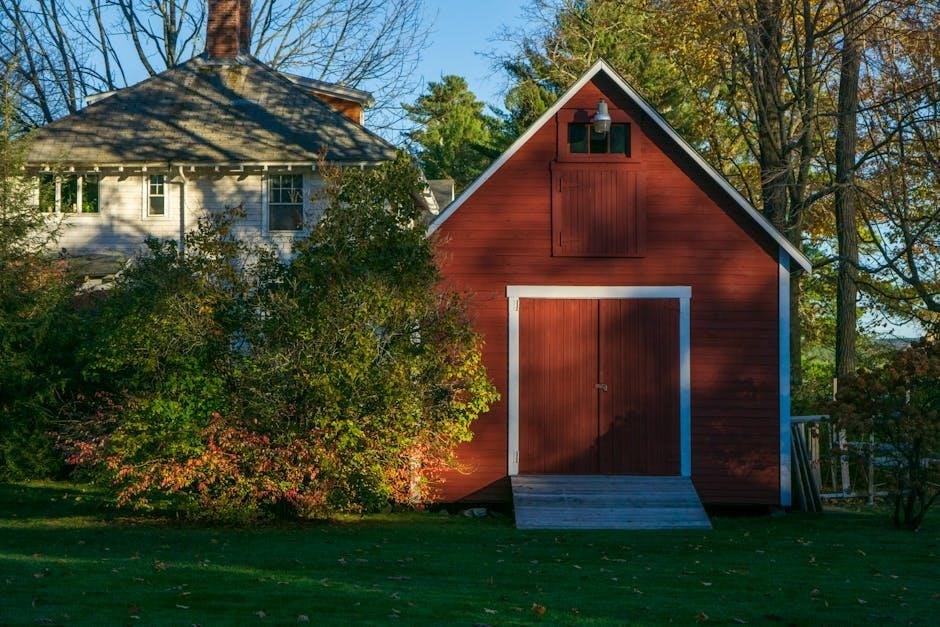
Consider browsing images to determine preferred siding materials‚ roofing options‚ door configurations‚ and overall aesthetic appeal. Examining existing barn plans and cabin designs can also spark creativity and provide valuable insights.
Remember to adapt these ideas to your specific needs and the dimensions outlined in your chosen PDF blueprints‚ ensuring a harmonious blend of functionality and visual appeal.