Ave Maria Sheet Music for Piano PDF: Overview
Explore the rich world of Ave Maria piano PDFs, from Schubert’s D.839 to Gounod’s Vatican hymn. Free scores, chord sheets, and Liszt transcriptions are available on MuseScore and other sites. Download, edit, and share legally while honoring copyright rules. Use PDF tools to annotate and practice!
Historical Background of Ave Maria
The Ave Maria, a Latin prayer to the Virgin Mary, has roots in the 4th‑century hymn “Ave Maris Stella.” Its text evolved through medieval Latin liturgy, becoming a staple of Catholic devotion. The earliest musical settings date to the Renaissance, with composers such as Josquin des Prez and Palestrina writing polyphonic versions for choir. In the 19th century, the piece gained renewed popularity when Franz Schubert composed his famous setting (D. 839) in 1825, later arranged for piano by numerous editors. Around the same time, Charles Gounod added a melody to the Latin text in 1859, creating a new standard for vocal and instrumental performance. Modern arrangements, including Liszt’s virtuosic transcriptions, have expanded the repertoire for solo piano, allowing pianists to explore the work’s lyrical and harmonic depth. Today, free PDF scores are available on platforms such as MuseScore, enabling musicians worldwide to study and perform this timeless piece.
Since its publication, the Ave Maria has been embraced by composers across genres, inspiring adaptations in jazz, pop, and contemporary classical music, and remains a staple in liturgical and concert repertoires worldwide, reflecting its enduring spiritual resonance. worldwide.!Its melodic simplicity and profound emotional depth have made it a favoritefor liturgical settings and concert performances, often serving as a bridge between sacred traditionand interpretation. The piece continues to inspire new arrangements, ensuring its relevance for future generations.!
Composer Franz Schubert: D.839
Franz Schubert’s Ave Maria (D. 839) was composed in 1825, shortly before his untimely death at 31. The piece, originally written for voice and piano, showcases Schubert’s gift for lyrical melody and harmonic richness. Its structure follows the traditional Latin text, with a gentle, flowing accompaniment that invites expressive phrasing. Modern editions, such as the one edited by Pawel Jura, provide clear notation and dynamic markings, making the score accessible for pianists of all levels. Free PDF versions are available on MuseScore, where users can download, print, and even export MIDI files for practice. The score’s popularity has led to numerous arrangements, including simplified versions for beginners and intricate transcriptions for advanced performers. Schubert’s Ave Maria remains a staple in both liturgical settings and concert programs, illustrating the enduring appeal of his melodic genius. A

Composer Charles Gounod: Ave Maria (Vatican Hymn)
Charles Gounod’s Ave Maria, composed in 1863, is a setting of the Latin hymn that has become one of the most beloved choral works of the 19th century. The piece was originally written for choir and organ, but its melodic line and harmonic language have made it a favorite for piano transcriptions. In the 20th century, Gounod’s work was famously combined with the first movement of Johann Sebastian Bach’s Prelude in C major, creating the popular “Ave Maria” arrangement that is often performed in both liturgical and concert contexts. The original score is in the public domain, and numerous free PDF editions are available on MuseScore, where users can download, print, and even export MIDI files for rehearsal. Many contemporary editors have produced simplified piano arrangements that preserve the lyrical quality while making the piece approachable for intermediate players. Advanced pianists can find more elaborate transcriptions that highlight the harmonic depth of Gounod’s writing. The availability of these PDFs has encouraged a wide range of performances, from intimate church services to grand concert halls, underscoring the enduring appeal of Gounod’s Ave Maria. The PDF files often include chord symbols, dynamic markings, and tempo indications, allowing pianists to interpret the work with both fidelity and personal expression. Whether you are a beginner looking to explore a classic or an experienced performer seeking a new repertoire, Gounod’s Ave Maria offers a rich musical experience that continues to resonate with audiences worldwide. Many performers now use the free PDF versions to experiment with different tempos and articulations, enriching their interpretive palette. The widespread availability of these scores has also made Gounod’s Ave Maria a staple in music education, where students learn both the technical demands and the expressive depth of the piece. Its timeless beauty captivates listen
Arrangements for Solo Piano
For pianists seeking a solo rendition of Ave Maria, several well‑known arrangements exist that translate the vocal line into a pianistic texture. The most common source is Schubert’s D.839, which has been adapted into a straightforward piano solo by editors such as Pawel Jura, Elaine Merker, and Ewwas17. These editions, freely downloadable from MuseScore, retain the original harmonic progression while adding left‑hand accompaniment that mirrors the vocal harmony. Another popular choice is Gounod’s Vatican hymn, arranged for solo piano by tella.me and Roberto Guerra. These versions keep the lyrical melody in the right hand and provide a flowing bass line that supports the harmonic structure. For performers who desire a more virtuosic challenge, Liszt’s transcriptions of Schubert’s Ave Maria offer a dramatic, virtuosic treatment. The Liszt edition, available on MuseScore under the title “Schubert‑Liszt,” includes extensive ornamentation and technical passages that showcase the pianist’s skill. All of these PDFs are in the public domain or released under Creative Commons, allowing free distribution and modification. Pianists can download the scores, print them, or import them into notation software for further editing. Many of the arrangements also provide chord symbols and dynamic markings, making it easier to interpret the piece without extensive score study. Whether you prefer a simple, faithful transcription or a technically demanding Liszt version, the solo piano repertoire for Ave Maria offers something for every level of proficiency. Because the scores are freely available, educators can assign them as homework, encouraging students to explore the interplay between melody and harmony. Moreover, the availability of MIDI files alongside the PDFs enables pianists to hear an accurate representation of the intended tempo and articulation before committing to practice. The PDFs often include a brief editorial note explaining the source and any alterations made, which is helpful for students studying the evolution of the piece. Additionally, some arrangements incorporate a simplified left‑hand accompaniment that reduces the technical demands, making the piece accessible to intermediate players while preserving its melodic integrity. These resources are typically available in PDF format, allowing pianists to annotate directly on the score or to use them as a basis for creating personalized arrangements.

Arrangements for Piano with Voice
These PDF scores come with MIDI files, performers hear tempo before rehearsal. The PDFs can be printed on paper, and editions include marks. Because the scores are, they can be shared, printed, or modified for purposes. These resources support teaching. They are.!!
Liszt Transcriptions of Ave Maria
Franz Liszt’s 1853 transcription of Schubert’s Ave Maria (D.839) is a landmark in piano literature. It expands the original hymn into a virtuosic showcase, adding elaborate arpeggios, dynamic rubato, and a soaring pedal line that turns the simple melody into a dramatic, concerto‑style piece. The score, available in PDF on MuseScore, includes detailed markings, tempo indications, and a key signature that accommodates both the original and Liszt’s added passages. Many pianists note the use of a pedal point that echoes the Gregorian chant motif, while the left hand’s broken chords provide a harmonic foundation. The transcription’s dynamic range spans from pianissimo to fortissimo, demanding precise pedal control and finger independence. Recordings by Alfred Brendel, Vladimir Ashkenazy, and Daniel Barenboim showcase its lyrical beauty and technical brilliance.
Liszt’s transcription is frequently performed in concert halls and recorded by renowned pianists. Its technical demands include rapid arpeggiated runs, wide leaps, and sustained pedal usage that require careful voicing. The piece’s expressive depth is enhanced by subtle dynamic shading and the interplay between the melodic line and the harmonic accompaniment. Scholars note that Liszt’s arrangement preserves the original hymn’s solemnity while infusing it with Romantic virtuosity. The transcription is also a popular choice for advanced students seeking to develop technical control, interpretive nuance, and a deeper understanding of Romantic piano literature. Its performance practice balances lyrical phrasing with virtuosic flourishes, making it a staple in recital programs for all levels
Downloading PDF Versions from MuseScore
MuseScore.com offers a variety of free PDF downloads for Ave Maria arrangements, including Schubert’s D.839 and Gounod’s Vatican hymn. Users can search the site’s extensive database, filter by key or difficulty, and view preview images before downloading. The platform hosts multiple transcriptions: the original Schubert piece, Liszt’s virtuosic version, and simplified chord‑chart editions. Each score is available in PDF format, with optional MIDI files for practice. To download, simply click the “Download PDF” button on the score’s page. If you wish to edit the sheet music, the “Open in Score Editor” option allows you to modify the score directly in the browser. For more advanced users, the downloadable XML file can be imported into notation software such as Sibelius or Finale. MuseScore also provides a community rating system, so you can gauge the quality of a transcription before downloading. Additionally, the site offers a “Print” button that generates a printable PDF with page numbers and a header that includes the composer’s name and arrangement details.
Downloading PDF Versions from Other Sources
Beyond MuseScore, several reputable platforms host Ave Maria piano PDFs. The International Music Score Library Project (IMSLP) offers free downloads of the original Schubert and Gounod scores, often in multiple editions. Users can search by composer or title, then click the “Download PDF” link. Mutopia, a volunteer‑led project, provides clean, public‑domain arrangements, including simplified versions suitable for beginners. For more polished, contemporary transcriptions, commercial sites such as Sheet Music Plus and Musicnotes sell high‑quality PDFs; these usually require purchase or a subscription, but offer advanced features like playback and interactive editing. Some university libraries provide access to digitized collections via their online catalogs; students can log in with institutional credentials to download PDFs legally. Additionally, the “Free Sheet Music” section on sites like 8notes and 32notes offers downloadable PDFs, though quality varies. When downloading from any source, verify the copyright status: public‑domain works are safe, while modern arrangements may be protected. Always consider supporting the arranger by purchasing a licensed copy if the score is not in the public domain. These PDFs are often accompanied by editorial notes, tempo markings, and dynamic indications, allowing pianists to interpret the piece with technical precisionand expressive depth!
After downloading, you can open the PDF with any viewer. If you wish to edit, import the file into a notation program like MuseScore or Sibelius. For quick playback, many PDFs include embedded MIDI; if not, use a converter. Remember to keep a backup on external storage or cloud. When sharing, respect the license: public‑domain PDFs can be freely distributed, whereas paid versions require permission.
Legal Considerations for PDF Downloads
When acquiring Ave Maria piano PDFs, always verify copyright status. Schubert’s D.839 and Gounod’s Vatican hymn are in the public domain in most jurisdictions, so free downloads from IMSLP or Mutopia are legally safe. Modern transcriptions, however, may be protected. If a score is marked “All Rights Reserved” or sold on sites like Sheet Music Plus, downloading without purchase violates copyright law. To stay compliant, use the “Download PDF” button on MuseScore only if the author has granted a free license. For PDFs obtained from university libraries, ensure you have institutional access; sharing them publicly without permission can breach licensing agreements. When you download a paid PDF, keep the license receipt and respect the terms: redistribution, commercial use, or modification may be prohibited. If you plan to perform publicly or record, check the publisher’s performance rights; some arrangements require a separate license. For educational use, many publishers allow non‑commercial sharing, but always read the fine print. If you are uncertain, contact the publisher or arranger directly. Finally, consider the Digital Millennium Copyright Act (DMCA) and local laws that protect digital copies; circumvention of DRM or unauthorized redistribution can result in penalties. By following these guidelines, you can enjoy and share Ave Maria piano PDFs responsibly. Cite sources when publishing online and use Creative Commons‑licensed arrangements to broaden accessibility while respecting authorship!!!
Transcribing and Editing PDF Sheet Music
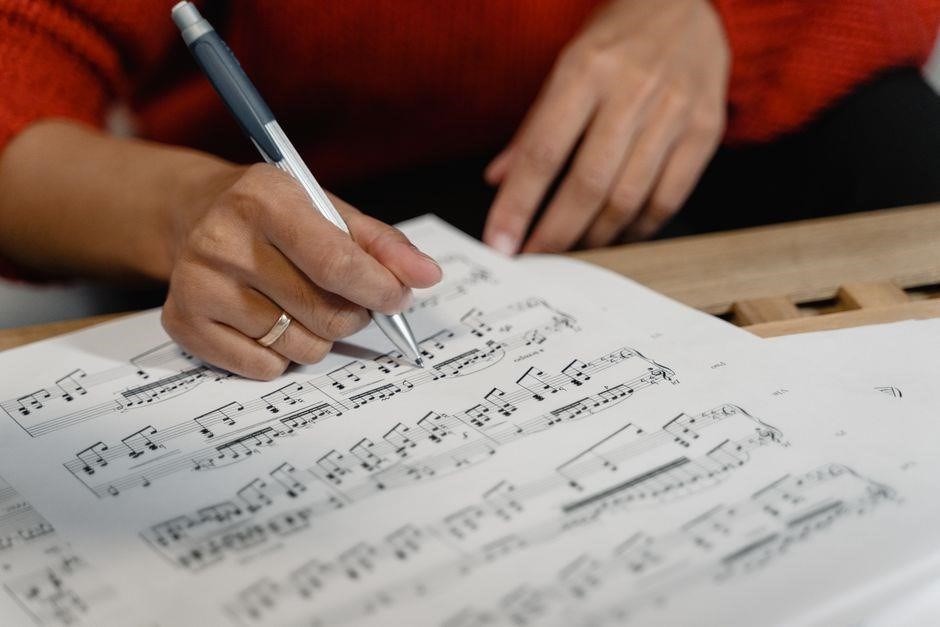
Transcribing Ave Maria from a PDF into a playable score is a common practice among pianists who wish to personalize or simplify the piece. The first step is to open the PDF in a viewer that supports zoom and annotation. Many musicians use PDF‑to‑MIDI converters, such as MuseScore’s import function, which can read the printed staves and generate a rough MIDI file. Once the MIDI is imported, you can edit the notes, adjust the tempo markings, and add dynamics directly in the score editor. For those who prefer a hand‑written approach, printing the PDF and tracing each measure onto a new staff paper is an effective method. Digital tools like Sibelius or Finale allow you to import the PDF as a background layer, then trace over it with the pencil tool, ensuring accurate note placement. When simplifying the harmony, replace complex chords with arpeggiated figures or single‑voice lines to accommodate beginner pianists. If you wish to create a vocal arrangement, add a soprano or alto line by transcribing the vocal part from the original score and adjusting the key to fit the singer’s range. Always keep a copy of the original PDF for reference, and use the “Save As” function to preserve your edited version in a separate file. This workflow not only preserves the integrity of the original composition but also allows you to tailor the arrangement to your performance needs. Remember to respect copyright laws when sharing your edited sheet music; only distribute it if the original work is in the public domain or you have obtained the necessary permissions. By following these steps, you can produce a polished, personalized PDF that reflects your artistic vision while maintaining legal compliance. Additionally, many online communities offer free transcriptions of Ave Maria that have been vetted for accuracy. By comparing your edited version with these community resources, you can ensure that your interpretation remains faithful to the original while still incorporating your own stylistic choices. Keep a backup of your work to prevent accidental loss.
Performance Tips for Pianists
When approaching the Ave Maria piano PDF, begin familiarizing yourself with the score’s structure. The piece typically follows a slow, lyrical tempo marked Lento assai, so focus on sustaining a steady pulse. Use a metronome set to 60–70 BPM to keep the rhythm consistent, and practice the left‑hand arpeggios separately before blending them with the right hand. Dynamics are crucial; start with a soft pp and gradually build to a gentle mf around the middle section, then return to pp for the final phrase. Pay attention to the pedal markings—over‑pedaling can blur the harmony, so use the sustain pedal sparingly, lifting it just before the next chord change. When transcribing from the PDF, verify that the key signature matches the original; if the piece is in C major, avoid accidental sharps or flats that may have been misread. For vocal arrangements, keep the vocal line in the middle register and adjust the accompaniment to support rather than overpower the melody. Practice each measure slowly, then gradually increase tempo while maintaining clean articulation. Record yourself to identify any timing issues or uneven phrasing. Finally, rehearse the piece in a quiet environment, allowing yourself to feel the spiritual depth of the text. By integrating these techniques, you’ll deliver a polished, expressive performance that honors the beauty of the Ave Maria. Keep practicing, and let the music flow through you with calm confidence now daily.
Chord Charts and Simplified Versions

Chord charts and simplified versions of Ave Maria are commonly found in PDF format, giving pianists a clear, approachable way to play the piece without complex notation. Many online libraries, such as MuseScore, offer chord sheets that distill the harmony into basic triads and seventh chords, making it easier to follow the progression. Simplified arrangements keep the original melody while reducing the left‑hand accompaniment to a single bass note or simple broken‑chord pattern, allowing beginners to concentrate on the lyrical line and rhythmic feel. When choosing a chord chart, look for versions that display the key signature and include chord symbols above the staff, so you can quickly transpose if needed. Some PDFs provide a two‑handed layout, where the right hand carries the melody and the left hand supports with block chords, ideal for early‑stage practice. For those seeking a more authentic sound, there are PDFs that combine the full score with a simplified chord chart, enabling a layered performance. Many chord charts also list tempo markings such as “Lento assai” or “Adagio,” helping maintain the hymn’s solemn character. Verify that the chord symbols match the original harmonic structure, as user‑generated content can contain inaccuracies. Integrating chord charts into practice builds confidence in harmonic analysis and improves overall interpretation of Ave Maria. The simplified PDFs serve as excellent study tools for students, accompanists, and soloists alike, offering a clear roadmap to mastering this beloved piece.
Recording and Sharing Your Performance
Recording a performance of Ave Maria from a PDF score involves selecting a quiet space, setting up a quality microphone or audio interface, and using a digital audio workstation (DAW) to capture the piano sound. Begin by rehearsing the simplified or full arrangement, ensuring the tempo markings such as “Lento assai” are respected. When recording, keep the piano’s sustain pedal under control to avoid muddiness; a gentle pedal lift between phrases often yields a clearer tone. After the take, use basic editing tools in the DAW to trim silence, normalize volume, and apply a subtle equalizer boost around 200–400 Hz to enhance warmth. Export the file as a high‑bitrate WAV or FLAC for archival, and create a compressed MP3 for sharing on platforms like YouTube, SoundCloud, or Bandcamp. When uploading, include a descriptive title, tags such as “Ave Maria,” “Schubert,” “piano,” and a short description that mentions the PDF source and any arrangement credits. If you wish to share the sheet music itself, attach the PDF to the video description or upload it to a file‑sharing service, ensuring you respect copyright. For public performances, consider adding a short introduction that explains the piece’s history and the chosen arrangement. Finally, engage with listeners by responding to comments and encouraging downloads of the PDF, fostering a community of pianists who appreciate both the performance and the score. Additionally, you can create a lyric video with subtitles in multiple languages, which broadens accessibility and invites a global audience; When sharing on social media, use hashtags like #AveMaria, #PianoCover, and #SheetMusic to increase visibility. Use #AveMaria for reach.
and Further Resources
In closing, the world of Ave Maria piano PDFs offers a wealth of options for performers and enthusiasts alike. From Schubert’s lyrical D.839 to Gounod’s Vatican hymn, the scores are widely available on platforms such as MuseScore, where users can download, print, and even edit the PDFs for personal use. The inclusion of chord charts and simplified arrangements makes the piece approachable for beginners, while Liszt’s transcriptions provide a virtuosic challenge for advanced pianists. When sharing recordings, it is essential to respect copyright laws; many PDFs are in the public domain, but recent arrangements may still carry restrictions. Always check the licensing information on the source website before distributing or monetizing your performance. For those who wish to delve deeper, the International Music Score Library Project (IMSLP) hosts a variety of editions, and the Library of Congress offers digitized copies that can be accessed for research purposes. Additionally, online forums and communities dedicated to piano repertoire can provide valuable feedback and performance tips. By combining high‑quality recordings with freely available sheet music, musicians can create a rich, collaborative experience that honors the tradition of Ave Maria while embracing modern technology. Happy playing, and may your interpretations bring new life to this timeless hymn! Explore additional resources such as masterclasses, tutorials, and articles to deepen your understanding of this beloved piece!